
Every youth in foster care deserves equal and equitable care, regardless of their sexual orientation or gender identity.
Why it matters
LGBTQ2S+ youth often encounter discriminatory and inequitable treatment in the foster care system simply due to their sexual orientation or gender identity. Improved policies and practices are not just important, but essential, and are most effective when led by LGBTQ2S+ LEx Leaders who have firsthand experience within the system. These targeted improvements serve to provide queer identifying youth with the specific support and protection they rightfully deserve.
Quick Facts
- Approximately 30% of youth in foster care identify as LGBTQ+, compared to 11.2% of youth not in foster care. (Children's Rights)
- 44% of LGBTQ+ youth in in foster care report they were removed, ran away, or were thrown out of their homes due to their sexual orientation or gender identity. (Children's Rights)
- LGBTQ+ youth in foster care are more likely to experience discrimination, multiple placements, and placement in group homes compared to their non-LGBTQ+ peers. (HRC)
- LGBTQ youth who have been in foster care are nearly three times more likely to attempt suicide compared to those who have not been in foster care. (Trevor Project)
“Stopping youth from the ability to be in a loving family kind of defeats the purpose of why we have a foster care system.”
— Daysha Reed, They/Them, Spent time in the Michigan foster care system
Tools You Can Use
- Learn the Basics: Build your understanding of LGBTQ2S+ issues in foster care with FosterClub's Supporting LGBTQ2S+ Youth in Foster Care Training.
- Support LGBTQ2S+ Youth: Access affirming resources for caregivers and professionals through the National SOGIE Center and the Guide for Foster Parents.
- Understand the Data: Learn why collecting SOGIE data matters and how it improves outcomes for LGBTQ2S+ youth in care.
- Create Affirming Environments: Learn strategies for building supportive communities and child welfare systems for LGBTQ2S+ youth through this resource from the Center for the Study of Social Policy.
How we're working on this issue
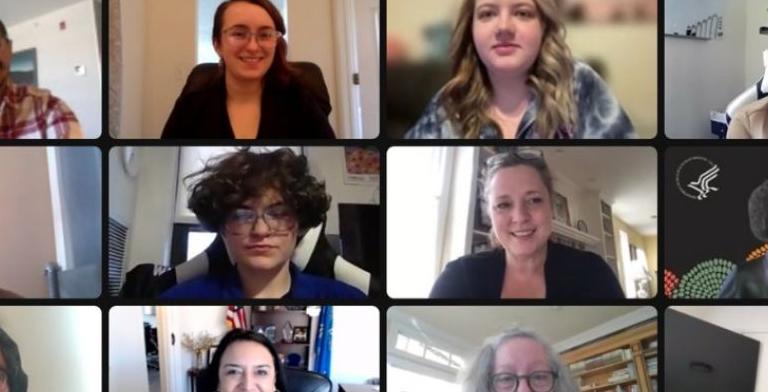
Speaking with Federal Officials About SOGI Data Collection
LGBTQ2S+ FosterClub LEx leaders often meet with federal officials to discuss their experiences related to sexual orientation and gender identity (SOGI) while in foster care. Conversations range from whether youth feel safe disclosing their SOGI, to the impact of coming out during their time in foster care.
Read more about this work here.

Advocate for Laws to Fight Discrimination by Agencies
FosterClub's LEx Leaders work with a coalition of national organizations to protect LGBTQ2S+ youth and families in foster care. When a new federal rule was proposed to prevent discrimination by federal agencies, LEx Leaders shared their experiences to show why these protections matter for LGBTQ2S+ youth in care.
Read more about this work here.
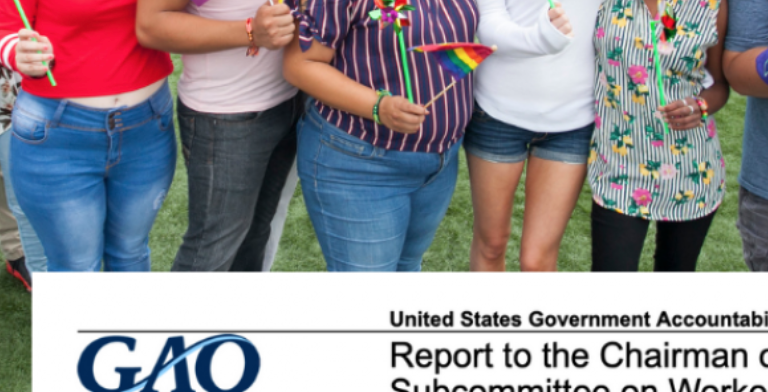
Contributing to Government Reports
FosterClub's Lived Experience (LEx) Leaders worked with the Government Accountability Office to share their foster care experiences, focusing on LGBTQ2S+ identity and religious background. Their stories helped shape a report with recommendations for how states can better support LGBTQ2S+ youth.
Read more about this work here.
"We need to make sure LGBTQIA2S+ youth are represented and protected no matter what services they are getting and where they’re at."
— Keona Rose, She/Her, Spent time in Arizona foster care system
Want to Learn More?
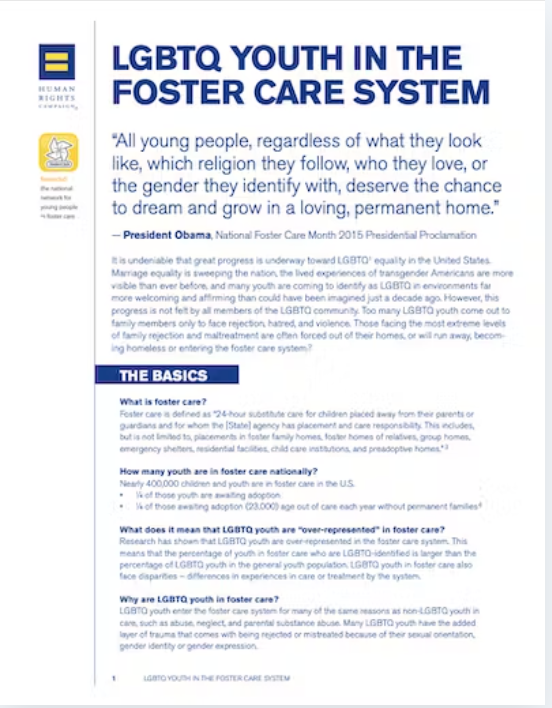
LGBTQ2S+ Youth in the Foster Care System from Human Rights Campaign and FosterClub
LGBTQ in Child Welfare from the Annie E. Casey Foundation
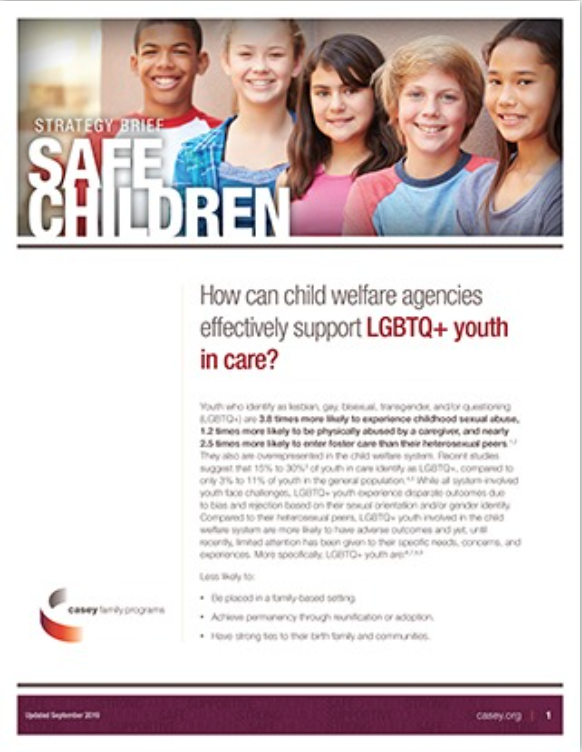
How can child welfare agencies effectively support LGBTQ+ youth in care? from Casey family Programs
Blogs on LGBTQ2S+ Youth
LEx Leaders Speak on the Importance of Nondiscrimination Protections in Foster Care
“Care shouldn’t be conditional, regardless of your sexual orientation or gender identity.” — Keona Rose LEx leaders Daysha Reed (NC) and Keona Rose (AZ) met with the Every Child Deserves a Family Campaign this month to discuss the importance of federal nondiscrimination policies in child welfare! Some key takeaways from the meeting included: LGBTQ2S+ adults should not be discriminated against...
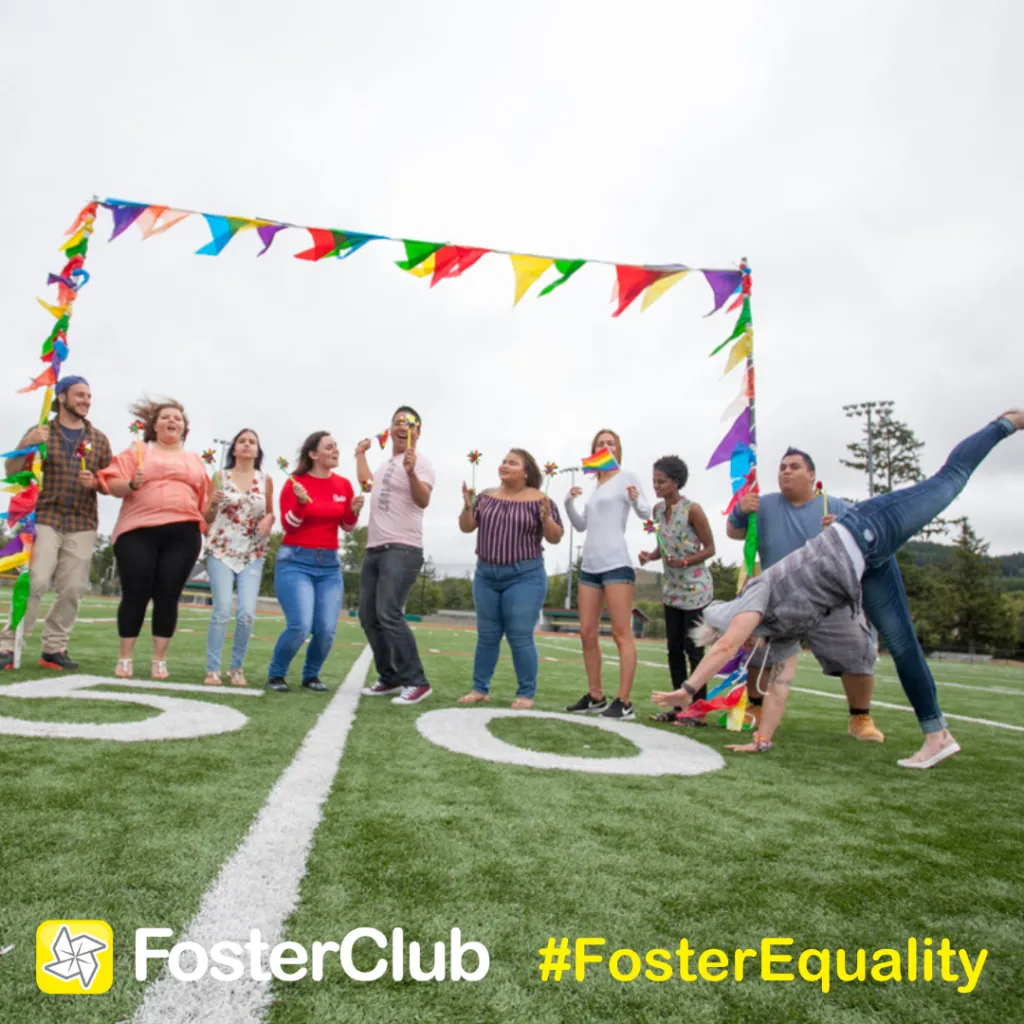
White House pledges to support LGBTQ2S+ youth in foster care!
We are pleased to share the statement from President Biden and Vice President Harris in celebration of Pride month! The statement includes new actions that federal agencies are taking to support LGBTQ2S+ communities and youth across the nation, many of which have been recommended by our LEx leaders! FosterClub, and specifically our #FosterEquality campaign is thrilled to see the incorporation...
Practice Improvement: Supporting Transition Planning
The Family First Act (FFA), passed in 2018, sought to respond to the needs of transition age youth in foster care. Given that LGBTQIA2S+ youth in foster care are at an i ncreased risk of aging out of foster care 1, it is important for supportive adults in a queer young person’s life to understand the best way to support...

Policy Corner: Understanding Family First Act's Impact on LGBTQIA2S+ Older Youth in Foster Care
Queer youth in foster care are at an increased risk of aging out of foster care 1. On average, one in four youth who age out of foster care will become homeless within four years 2. LGBTQIA2S+ youth are at an increased risk of experiencing homelessness 3. By supporting services to youth transitioning out of foster care, FFA helps ensure...
Supporting Older LGBTQIA2S+ Youth in Foster Care
LGBTQIA2S+ foster youth are more likely to age out of the foster care system than their heterosexual peers. Youth aging out of the system deserve to have help during this huge transition in their lives. This resource is part of a larger series on how to support older LGBTQIA2S+ as they transition into adulthood. What do youth think is the...
Transition Planning with Older LGBTQIA2S+ Youth
LGBTQIA2S+ youth in foster care are more likely to age out of the foster care system than their heterosexual peers. Youth aging out of the system deserve to have help during this huge transition in their lives. “When we are in foster care, all of our major basic needs are met almost automatically. Our healthcare-related needs are generally met without...
This work is supported by: