
Young people with lived experience in foster care must have a seat at the table to transform laws and policies that shape their own lives.


What is Public Policy?

  • Public Policy is what the government and elected officials decided to do or not do about an issue.
  • Public Policy involves making choices on whether and how to address problems that affect society 
  • Key aspects of public policy include:
    • Identifying issues that need attention 
    • Proposing potential solutions 
    • Implementing and evaluating decided actions 

What is Legislation?

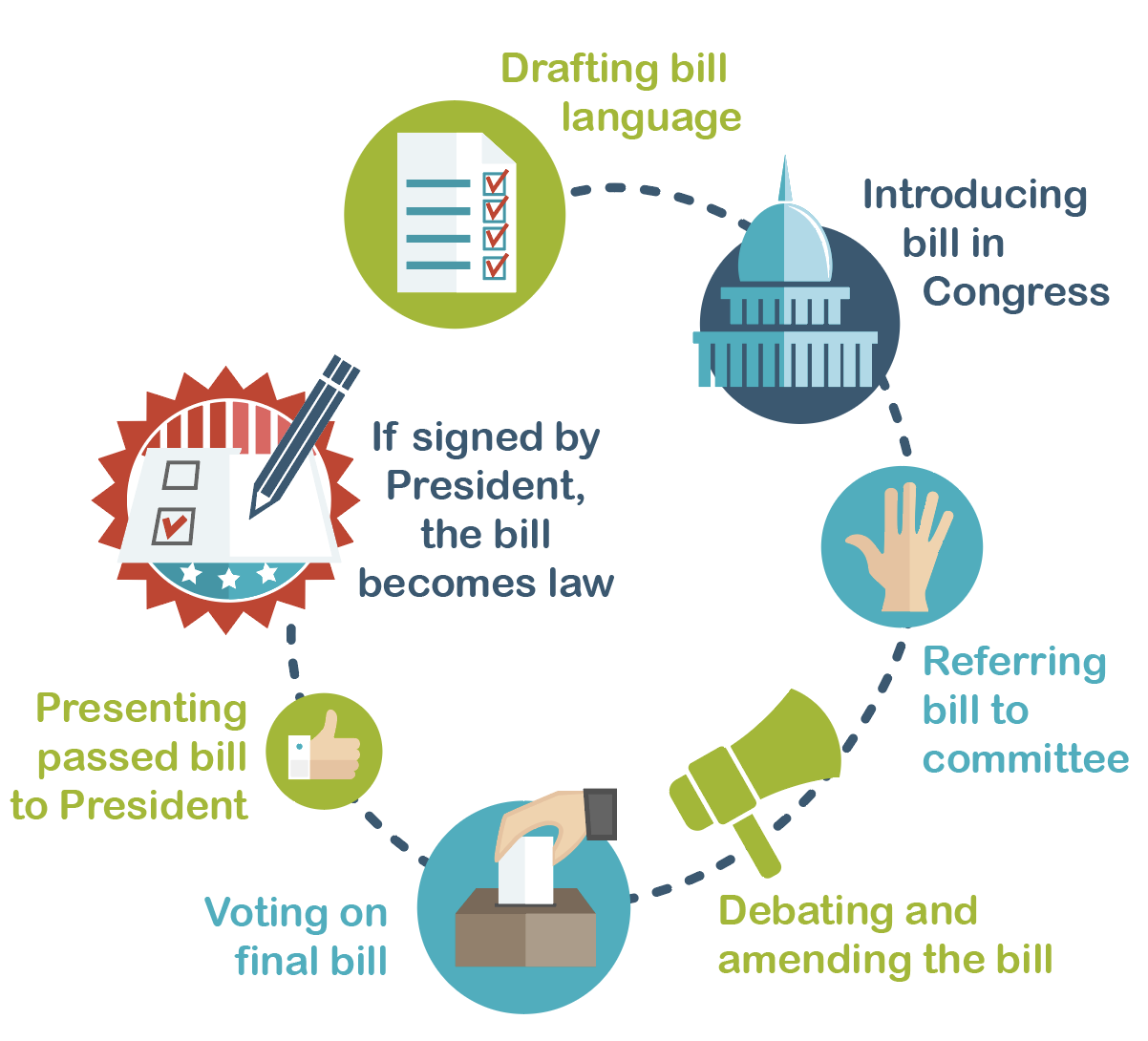
  • Legislation refers to laws enacted by a lawmaking body 
  • At the federal level, legislation involves U.S. Congress (the Senate and the House of Representatives) passing bills. 
  • FosterClub advocates for legislation that empowers youth in care
Nothing About Us Without Us

We believe that when the System listens to young people with lived experience in foster care, it does better. We refer to the young people who step up to inform public policy and legistlation as Lived Experience Leaders — or LEx Leaders, for short. ​​​​​​


Timeline of Major Child Welfare Legislation.

Below, we've provided a quick summary of major legislation that impact the foster care system, highlighting items that might be most interesting to young people in the FosterClub network who are interested in advocating for change.

Why it matters to young people:

  • $400 million to aid young people during the pandemic, delivered through the Chafee program.

FosterClub's role:

  • FosterClub was first to survey young people when the pandemic hit, recognizing the struggle transition age-youth were facing. 
  • FosterClub led the #UpChafee campaign effort
  • supported the implementation once funding was provided to States.

Why it matters to young people:

  • Now requires that states extend Medicaid coverage to all former foster youth, including those who were in care in another state.

FosterClub's role:

  • FosterClub LEx leaders educated Congressional members, including speaking at briefings about the impact of not having health coverage.

Why it matters to young people:

  • Federal funds now prioritize preventing foster care entries, emphasizing mental health, substance use, and parenting support.
  • Concentration on suitable placements, reducing unnecessary group care.
  • Chafee program broadened to cater to younger youth, with an emphasis on lasting bonds and permanency.

FosterClub's role:

  • FosterClub and LEx leaders mobilized for years educating policymakers about why prevention was necessary, how inappropriate group care harms young people, and the need to expand support for transition age youth. 
  • Priorities from the National Policy Council informed lawmakers on the urgency of addressing these needs. 
  • FosterClub, along with national partners, established FamilyFirstAct.org to center resources and voices from lived experience for implementation. 

Why it matters to young people:

  • Requires child welfare agencies, courts, and local education agencies to work together and use data to ensure that there are minimal interruptions to a child's learning, which often means that children and youth entering foster care remain in the same school.

FosterClub's role:

  • FosterClub coordinated a group of California Youth Ambassadors to uplift the challenges and supports students in foster care need to succeed.

Why it matters to young people:

  • The law champions foster youth rights by ensuring knowledge of their rights, access to essential documents, transition planning from age 14, and promoting normalcy through activities like sports and field trips.
  • Foster care mandates include reporting missing children to law enforcement within 24 hours, ensuring they have vital documents like birth certificates and IDs, and upholding prudent parenting standards for foster parents.This includes policies for rapid location of runaway youth, understanding reasons for their absence, and screening for potential trafficking victims.

FosterClub's role:

  • FosterClub supported the National Policy Council in shifting the public focus from only supporting trafficked youth to also proactive prevention. The Council highlighted the need for young people to know their rights while in care.

Why it matters to young people:

Includes Foster Youth Provision, which extends Medicaid coverage to former foster youth (FFY) until age 26

FosterClub's role:

When Congress made it a requirement that young people could stay on their parents' health insurance policy until age 26, Lived Experience Leaders from FosterClub told Congress that young people from foster care should be allowed to stay on Medicaid (since the government had taken on parent responsibilities for them).

Why it matters to young people:

  • Enhanced outcomes for youth in care and foster care adoptions by:
  • Allocating federal funds to ensure Native youth stay within their communities.
  • Advocating for sibling unity in placements.
  • Strengthening support for relative caregivers, particularly legal guardians, and enhancing adoption incentives with mandatory transition planning.

FosterClub's role:

  • FosterClub and LEx Leaders educated policymakers on the need to reduce unnecessary time spent in foster care and ensure youth had connections to siblings, tribes, communities and families.

This is when FosterClub was born. (2000)


Why it matters to young people:

  • Provides funds + attention  to establish support transition to adulthood. 
  • Creates requirements about reporting National Youth in Transition Database information. It expanded opportunities for programs providing education, training, and employment services; counseling; housing assistance and financial support; and other services for foster youth to prepare for living on their own and to achieve self-sufficiency.  Established what the Chafee program and emphasized permanency 
  • States use their Chafee funds differently for things like room + board, educational assistance, career exploration, mentoring, and preventive health activities.
  • Supporting older youth in foster care. Eligibility–people who were in foster care from 14-21, people who aged out, people who left foster care after age 16. It also emphasized permanency by requiring the continuation of efforts to find a permanent placement while concurrently providing independent living activities and increasing funding for adoption incentive payments. 

FosterClub's role:

  • While this legislation passed before FosterClub, a small handful of young people from foster care provided critical testimony and advocacy that resulted in the passage of this legislation.

”FosterClub has made me CURIOUS. After my AllStar Internship and first Board Meeting, I developed a deep curiosity for Policy, Partnerships, and Marketing. I constantly put myself in a mindset of curiosity and environment of learning all due to the conversations and experiences with FosterClubs staff, Board of Directors, partners, and advocates.”

— Cody, past FosterClub Intern and Board Member


Recent Public Policy News

Image

Older Youth Pandemic Relief: State Spotlights Implementation in Hawai'i

On July 7th, 2021, FosterClub and Youth Law Center hosted a state spotlight webinar with Child Welfare service providers and advocates focused on implementing the older youth provisions in the Consolidated Appropriations Act. In this webinar, we heard from several Hawai'i leaders: Mitchell Odo, Director of Youth Serving Activities at EPIC Ohana, Inc. Lynne Kazama, Child Welfare Services Assistant Program...
Extension to age 21
Transition (aging out)
Well-being
Image

Supreme Court Decision in Fulton v. City of Philadelphia Affects Foster Youth

FosterClub Statement regarding the Supreme Court Decision in Fulton v. City of Philadelphia Thursday, June 17th, 2021 The Supreme Court’s decision in Fulton v. City of Philadelphia on Thursday to side with Catholic Social Services was unanimous but narrow in scope - applying only to the circumstances of this case. (Learn more about the case here ). The ruling stated...
LGBTQ+ & Two-Spirit youth
Image

Older Youth Pandemic Relief: State Spotlights- Implementation in Iowa

On June 9th, 2021, FosterClub and Youth Law Center hosted a state spotlight webinar with Child Welfare service providers and advocates focused on implementing the older youth provisions in the Consolidated Appropriations Act. In this webinar, Iowa's Program Planner from the Department of Human Services, Doug Wolfe, and the Executive Director of Iowa's Youth Policy Institute, Carol Behrer, share details...
Extension to age 21
Transition (aging out)
Well-being
Image

Webinar: Older Youth Pandemic Relief: State Spotlights- Implementation in Oregon

On May 26th, 2021, FosterClub and Youth Law Center hosted a state spotlight webinar with Child Welfare service providers and advocates focused on implementing the older youth provisions in the Consolidated Appropriations Act. In this webinar, you will hear from Oregon's Youth Transitions Program Manager and ILP/Chafee Program Coordinator on implementing extended services, Chafee and ETV provisions of the Consolidated...
Extension to age 21
Transition (aging out)
Well-being
Image

Webinar: Older Youth Pandemic Relief: State Spotlights- Implementation in Indiana

On May 19th, 2021, FosterClub and Youth Law Center hosted a webinar with Child Welfare service providers and advocates focused on implementing the older youth provisions in the Consolidated Appropriations Act currently being done in Indiana. In this webinar, you will hear how child welfare advocates in Indiana have engaged young people to develop an implementation plan that includes the...
Extension to age 21
Transition (aging out)
Image

Older Youth Pandemic Relief: Housing Assistance for Youth with Experience in Foster Care During the Pandemic and Recovery

On May 12th, 2021, FosterClub and Youth Law Center hosted a webinar with the National Center for Housing and Child Welfare focused on states and jurisdictions, and tribes can maximize Chafee funding, emergency rental assistance, and other funding streams to help young people access and maintain safe, stable, and affordable housing during the pandemic and recovery after. Summary of the...

Entering foster care
Extension to age 21
Homelessness
Housing
Transition (aging out)
Well-being